Traveling to Turkey
What to Expect on an Adept Expeditions Journey
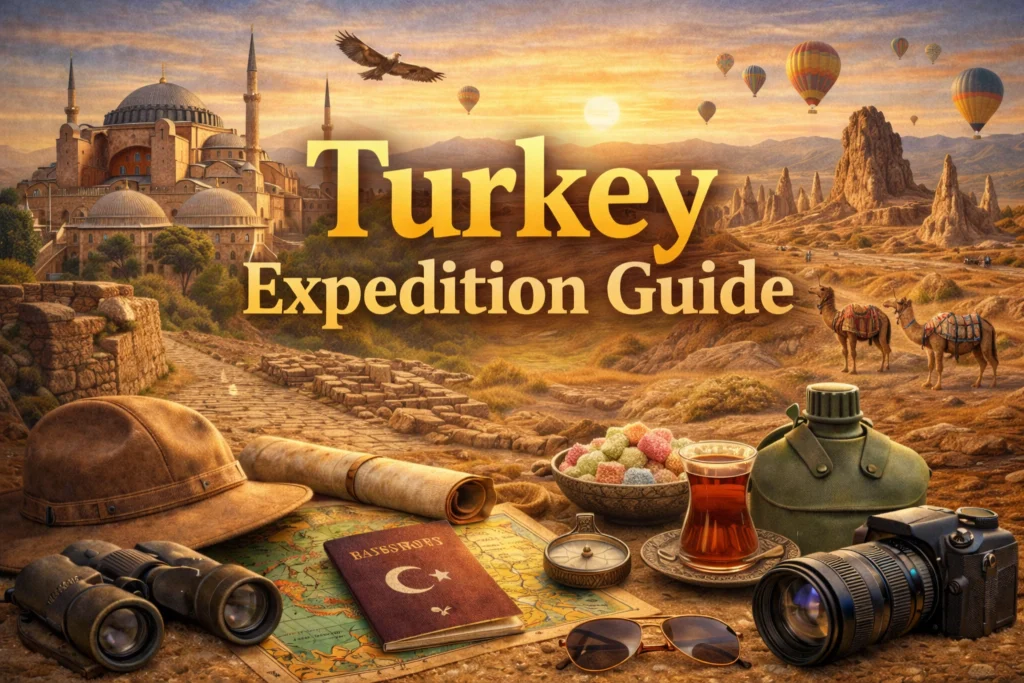
October and November are among the best months of the year to explore Turkey—especially for archaeology-focused travel. Summer heat has faded, crowds thin dramatically, and conditions are ideal for long days at ancient sites like Göbekli Tepe, Karahan Tepe, Cappadocia, Ephesus, and beyond.
This guide covers seasonal weather, what to wear, gear to bring, and how to prepare so you arrive comfortable, confident, and focused on the experience.
Weather in Turkey: October & November
Turkey spans multiple climate zones, but during our expeditions you can expect cool mornings, mild afternoons, and crisp evenings, especially in Anatolia and Cappadocia.
🍂 October
Near-perfect travel conditions
- Daytime: 60–75°F (15–24°C)
- Evenings: 45–55°F (7–13°C)
- Rain: Occasional, light
- Conditions: Clear skies, golden light, cool air
Why October is ideal:
Comfortable walking weather, excellent visibility, and minimal tourist traffic at major sites.
🍁 November
Cooler, quieter, atmospheric
- Daytime: 50–65°F (10–18°C)
- Evenings: 35–45°F (2–7°C)
- Rain: More frequent but usually brief
- Conditions: Calm, reflective, uncrowded
Why November works well:
Fewer visitors, deeply atmospheric sites, and excellent conditions for focused exploration—especially in Cappadocia and southeastern Turkey.
What to Wear in Turkey (October–November)
Layering is the key. Temperatures shift throughout the day, especially between early mornings and afternoons.
Daily Clothing
- Long-sleeve shirts (cotton or technical fabric)
- Lightweight sweaters or fleece
- Comfortable trousers or hiking pants
- Thermal base layer (recommended for November)
- Casual evening outfit for dinners
Outer Layers
- Light to medium-weight jacket
- Packable rain jacket or shell
- Scarf (useful for warmth, wind, and sun)
- Well-broken-in walking shoes or trail runners
- Optional ankle-support hiking shoes
- Comfortable shoes for evenings
Ancient sites often involve uneven stones, stairs, and slopes, so footwear matters.
Gear to Bring
These items make long site days significantly more comfortable:
- Small daypack
- Refillable water bottle
- Compact umbrella or rain shell
- Sunglasses
- Hat or cap
- Portable power bank
- Camera or phone with extra storage
- Lip balm and moisturizer (air can be dry)
What to Pack (Essentials)
Travel Documents
- Passport (with copies)
- Travel insurance details
- Printed and digital copies of itinerary
Health & Comfort
- Personal medications
- Small first-aid kit
- Motion sickness tablets (optional)
- Hand sanitizer and wet wipes
Tech
- Phone and chargers
- International adapter (Type C / F)
- Headphones for flights and downtime
Practical Travel Tips for Turkey
- Walking: Expect several hours per day at archaeological sites
- Terrain: Stone paths, stairs, and mild inclines are common
- Pacing: Tours move at a thoughtful, steady pace with breaks
- Food & Water: Bottled water provided; curated restaurants used
- Cultural Respect: Modest attire recommended at mosques and sacred sites
Turkey is welcoming, safe, and deeply hospitable—especially when traveling with experienced local teams and organized logistics.
Preparing Before You Go
✔ Break in your walking shoes
✔ Pack layers instead of heavy clothing
✔ Bring rain protection just in case
✔ Stay lightly active before departure
✔ Arrive curious and well-rested
Final Thoughts
October and November offer some of the most rewarding conditions for exploring Turkey’s ancient landscapes. Cooler temperatures, fewer crowds, and dramatic seasonal light create the perfect environment for immersive, research-level travel.
Prepare well, travel comfortably, and let the sites speak for themselves.