A brand-new discovery out of Sayburç is turning heads in the archaeological world — quite literally.
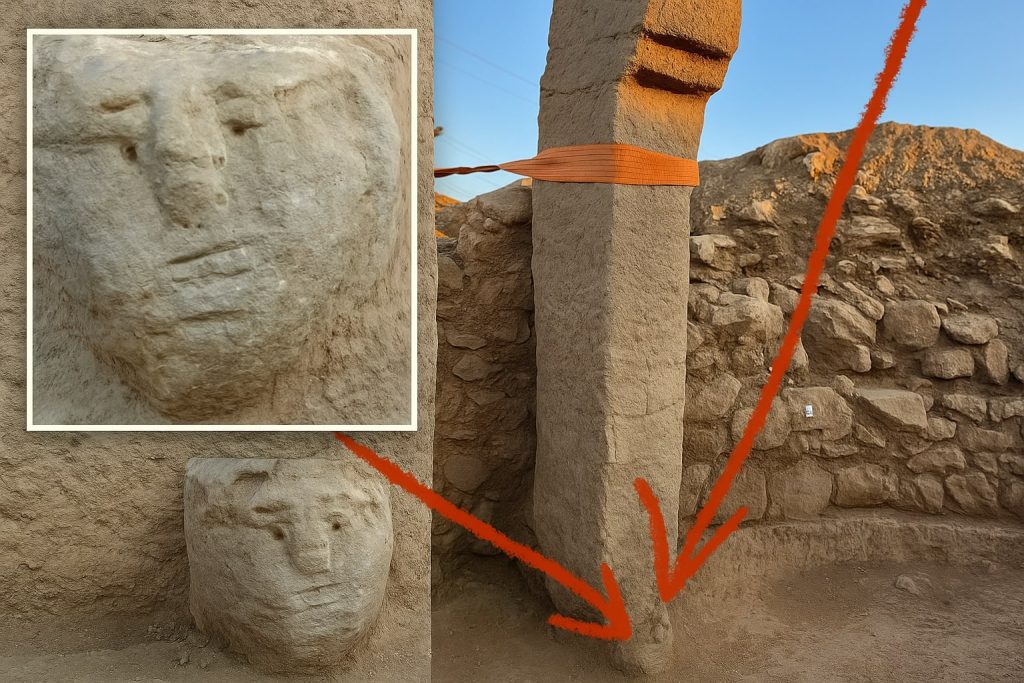
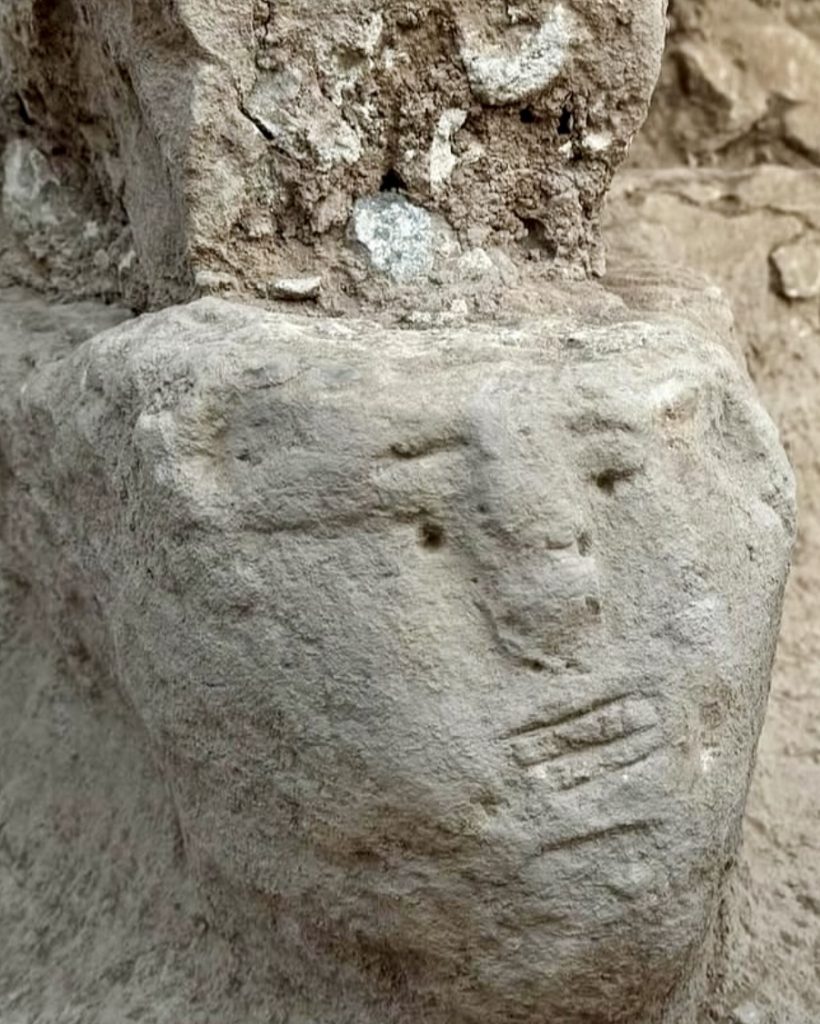
During the latest season of excavations in Şanlıurfa, researchers uncovered a human face carved into the raised base of a standing stone. It’s not a decoration placed on the stone… the base itself was shaped from the bedrock into a face. Rough, expressive, unmistakably intentional.
But that’s only the beginning.
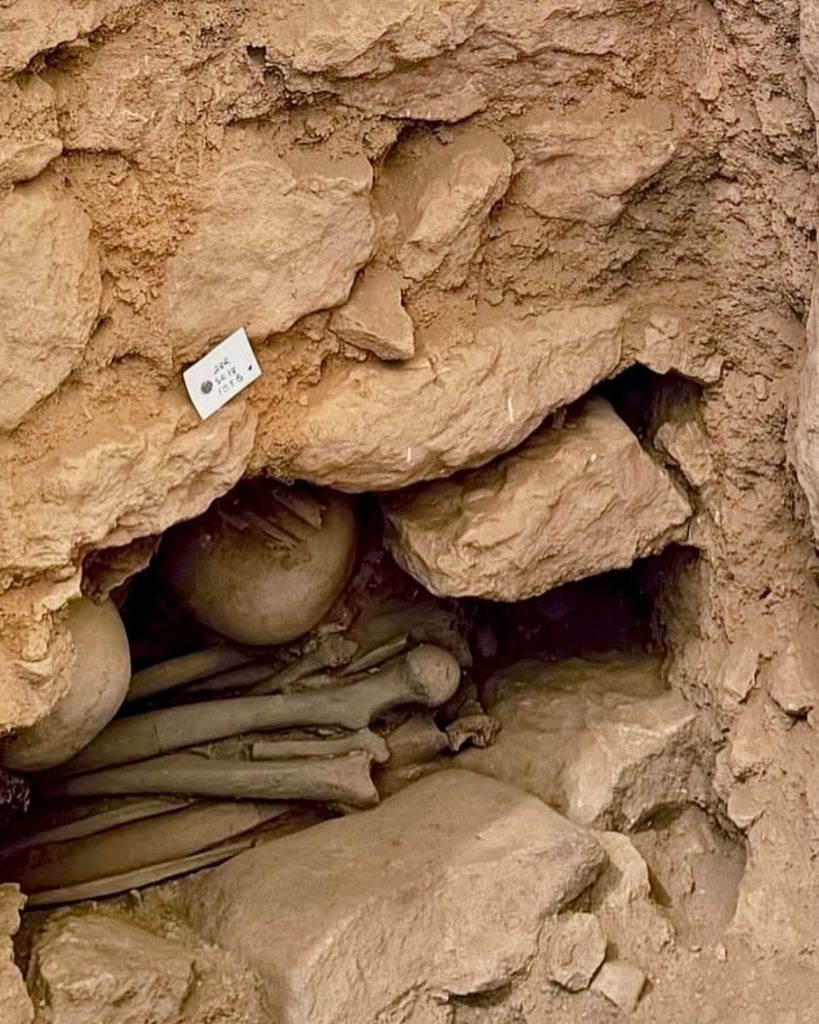
Elsewhere in the same pair of circular structures (each about 8 meters across), archaeologists recently found human skulls and bones carefully placed inside wall-niches. These aren’t random remains — the placement suggests deliberate ritual activity, possibly tied to the symbolic carvings that define Taş Tepeler sites.
Adding to the mystery, the structures hold animal engravings as well: a leopard on one stone, a wild boar on another. And positioned directly across from a major niche sits that carved human face — staring into the heart of the space.
Taken together, it paints a picture of a community designing architecture for ceremony, memory, and meaning long before pottery, metalworking, or written language existed.
The Pre-Pottery Neolithic is speaking louder than ever — and Sayburç is quickly becoming one of its most intriguing voices.
Sayburç is not just “another site.” It’s rewriting the story of early symbolic architecture in Anatolia.
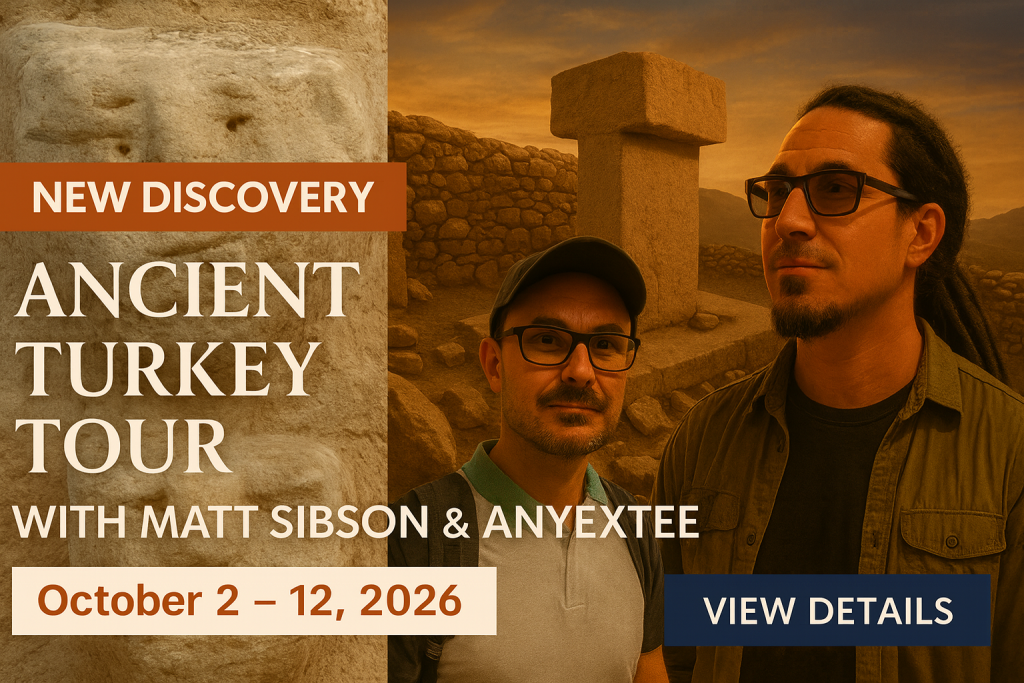
And in 2026, we’ll be there in person.
Not reading about it.
Not watching from afar.
Standing beside the stones where these discoveries are still unfolding.
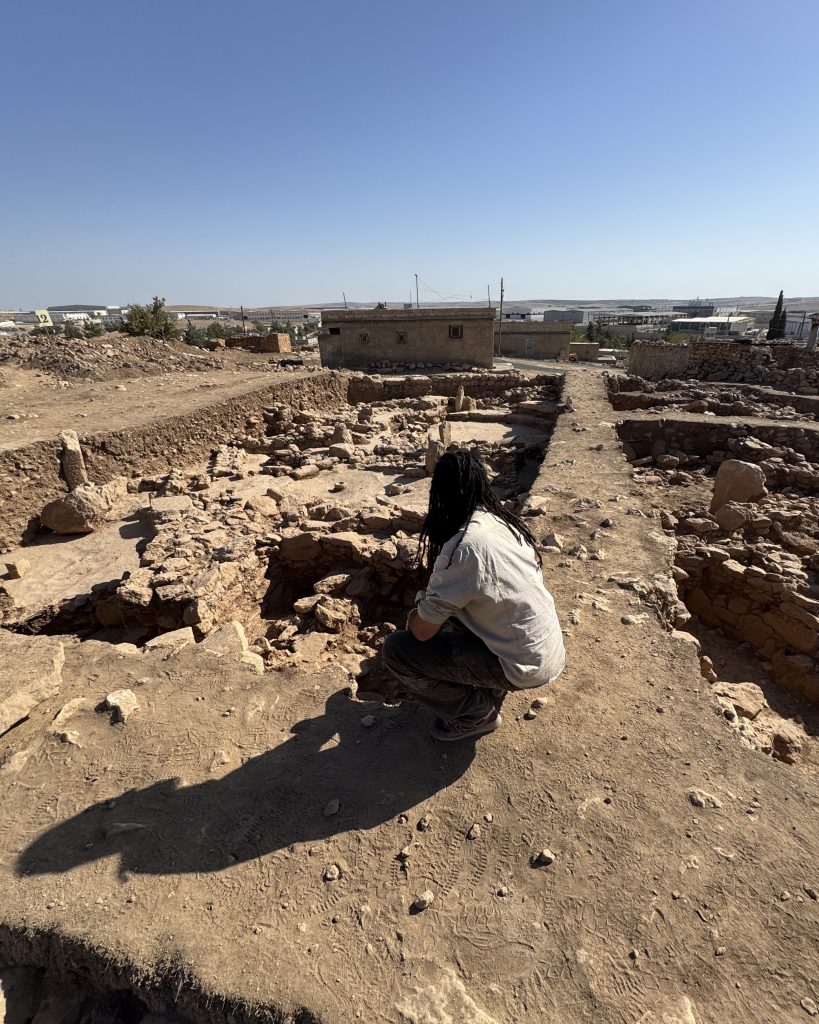
If you’ve ever wanted to explore Turkey’s deep ancient past with real access, real expertise, and a small group of people who get it — this is your chance.

👉 Join the Ancient Turkey Tour
We return in 2026 — and after discoveries like this, spots won’t last.
Only a limited number of seats will be released.